Why Stucco Paint Blisters Form on Southwest Florida Homes
You've just painted your stucco exterior. It looks perfect under the Florida sun. Then bubbles appear. Those stucco paint blisters pop up fast, especially after rain or heat waves. They ruin the fresh look and signal bigger issues.
Homeowners in Fort Myers and Naples see this often. High humidity traps water behind the paint. As a result, pressure builds and blisters form. You wonder if it's poor paint or something worse. This guide explains the causes. It also shows how to check and fix them right.
Spotting Stucco Paint Blisters Versus Other Damage
Stucco paint blisters show as raised, fluid-filled pockets under the paint film. They feel soft when you press them. Unlike peeling, where whole sheets lift, blisters stay attached at edges. Paint might pop when punctured, releasing vapor or water.
Efflorescence looks different. White, powdery salts ooze from the stucco itself. That comes from minerals in water moving through the wall. Bubbling from substrate issues means the stucco softens underneath. Cracks or soft spots confirm it. Blisters, however, point to paint trapped over moisture.
In Southwest Florida, sun bakes these blisters dry. They crack open later. Distinguish them early. That saves time and money. Press a few spots next time you walk your property. Soft bubbles mean paint failure. Powdery residue or crumbling stucco needs deeper fixes.
Top Causes of Stucco Paint Blisters in Humid Florida
Moisture drives most stucco paint blisters . Florida's air stays damp year-round. Rain soaks stucco fast. If you paint too soon, water hides inside. Heat then turns it to vapor. Pressure lifts the paint.
Poor surface prep ranks high too. Dirty walls or chalky old paint block adhesion. New coats sit loose. Water sneaks under easily. Incompatible coatings worsen it. Oil-based over latex traps vapor. Always match types.
Failed sealants let water in. Cracks around windows fill during storms. Water migrates behind paint. Intense sun adds vapor pressure. Walls heat to 140 degrees. Trapped moisture expands fast. Check coastal homes first. Salt holds water longer there.
How Trapped Moisture Creates Blisters Step by Step
Stucco breathes like a sponge. It pulls in rain and humidity. Dry days fool you. Inside stays wet. Paint seals it shut. No escape.
Sun hits next. Temperatures swing 50 degrees daily. Vapor pressure builds. Paint can't flex enough. Blisters push out. Puncture one. Moisture escapes. That's your proof.
Uncured stucco causes the same trap. New walls need 28 days minimum. Rush it, and blisters follow. Shaded north walls hold water longest. Test them first. For details on testing stucco moisture to avoid paint blisters Florida , follow simple checks before any brush hits the wall.
Inspect Your Stucco for Blister Sources
Walk your home after dry weather. Look for dark stains or soft spots. Press firmly. Blisters dent easy. Note patterns. Bases near sprinklers blister first.
Tape clear plastic over suspects. Wait 48 hours. Condensation underneath means active moisture. Use a meter next. Readings over 15 percent spell trouble. Scan cracks and trim.
Check sealants too. Cracked caulk around doors pulls water in. See our exterior caulk guide for Southwest Florida windows and trim. It stops leaks before they blister paint. Coastal salt speeds failures. Inspect post-storm.
| Inspection Step | What to Check | Red Flag |
|---|---|---|
| Visual Scan | Dark patches, bubbles | Moisture rising |
| Press Test | Soft give under paint | Vapor pressure |
| Plastic Sheet | Condensation after 48 hours | Wall not dry |
| Moisture Meter | Over 15% reading | Paint trap risk |
This table spots issues quick. Act on highs. Lows mean safer painting.
Choose Spot Repairs or Full Repaint Wisely
Small blister clusters suit spot repairs. Scrape loose paint. Dry the area. Patch cracks. Prime then recoat. Works if moisture stays low.
Widespread blisters demand full repaints. They signal wall-wide problems. Poor prep or constant dampness caused them. Repaint every 5 to 8 years here. See how often to repaint stucco exteriors in Southwest Florida. It matches your home's wear.
After pressure washing, wait 48 to 72 hours. Shaded stucco needs more. Our guide covers drying stucco post-wash to prevent paint blisters. Pros handle full jobs best. They fix sources first.
Prevent Stucco Paint Blisters in Florida Conditions
Prep beats everything. Wash walls clean. Fix cracks and caulk. Test moisture levels. Choose breathable acrylic paints. They let vapor escape.
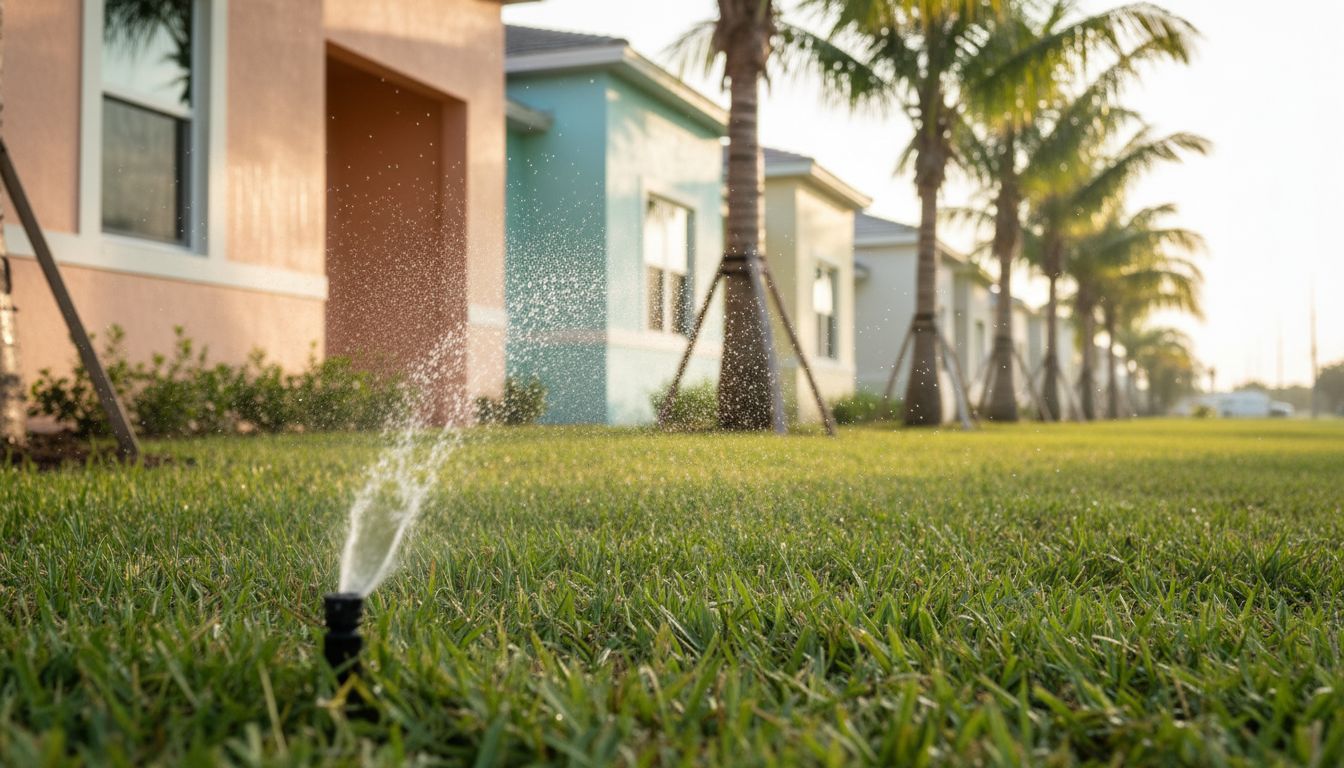
Time paints for low humidity. Midday after dry spells works. Avoid mornings with dew. Turn off sprinklers. Trim plants back. Good airflow dries walls faster.
Salt air hits Naples hard. It pulls extra water. Read how salt air affects exterior paint near Naples beaches. Rinse quarterly. For projects, expect thorough steps in a Southwest Florida exterior paint project timeline.
Cure times stretch in humidity. Wait full days before rain. Proper cure fights blisters long-term.
Blisters steal curb appeal and value. Fix moisture first. Spot issues early through inspections. Smart prep and timing keep stucco smooth for years.
Ready for dry, lasting paint? Schedule a free onsite check. Local crews know Florida walls best. Call today. Your home stays protected.
More featured articles...